
 English
 Русский
 简体中文
简体中文ESS Charging Solution
ESS (Energy Storage System) charging solution integrates energy storage technology with EV charging functions, forming an efficient, stable and grid-friendly energy supply system. It stores surplus grid power or renewable energy (solar, wind) in energy storage batteries, and supplies power for EV charging on demand, effectively solving the problems of grid load pressure and unstable renewable energy output.
Core Definition and Working Principle
ESS charging solution combines energy storage modules, charging piles, and intelligent control systems to realize energy storage, conversion, and charging integration. Its core working process includes three key links:
Energy Storage: It stores surplus grid power during off-peak periods or unstable renewable energy power, ensuring stable energy reserves.
Energy Conversion: The built-in converter converts stored DC power into AC power that meets EV charging standards, or converts grid/renewable energy AC power into DC power for storage.
Intelligent Charging & Dispatching: The control system intelligently allocates energy, prioritizing the use of stored energy for EV charging, and supplementing with grid power when storage is insufficient to balance supply and demand.
Key Features and Technical Specifications
With the core advantages of energy storage and charging integration, ESS charging solutions have the following features and authentic technical parameters:
Grid-Friendly: It alleviates peak grid load by shifting charging load to off-peak periods, reducing the need for grid transformation.
Stable Power Supply: Energy storage modules ensure continuous power supply for charging, avoiding interruptions caused by grid failures or renewable energy fluctuations.
High Compatibility: Adopts CCS, Type 2, GB/T and other standard connectors, compatible with most EV models, supporting both AC and DC charging.
Typical Parameters: Energy storage capacity 100kWh-1000kWh; charging power 11kW-240kW; conversion efficiency 92%-96%; protection level IP54+; communication protocols OCPP 1.6J/2.0 and Modbus.
Application Scenarios
ESS charging solutions are widely used in scenarios with high charging demand or unstable power supply:
Public Charging Stations: Balances peak charging load, reduces grid pressure, and ensures stable charging services.
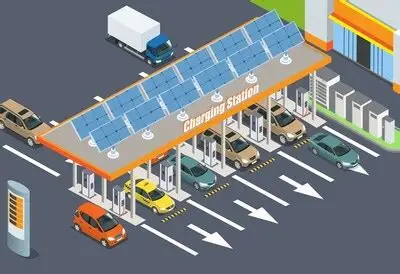
Renewable Energy Bases: Stores surplus solar/wind power, realizing efficient utilization of clean energy for EV charging.
Commercial & Residential Areas: Provides stable charging services for communities and malls, avoiding grid overload during peak hours.
Remote & Emergency Scenarios: Serves as a mobile energy supply for temporary charging in areas with insufficient grid coverage.
Advantages and Industry Significance
Reduces Grid Pressure: Shifts charging load, optimizes energy allocation, and lowers grid operation costs.
Promotes Renewable Energy Utilization: Solves the volatility of solar/wind power, boosting the integration of clean energy.
Stable & Reliable: Ensures uninterrupted charging services, improving user experience and charging facility profitability.
Conclusion
ESS charging solution is an important integration technology of energy storage and EV charging, which is crucial for optimizing energy structure, alleviating grid pressure, and promoting the development of clean energy and EV industries. With its stable performance, wide compatibility and grid-friendly features, it has broad application prospects. All parameters are based on authentic industry standards and practical applications.